Chronic illness. Neurological conditions. Learning differences. Mental health challenges. Fatigue. Pain. Sensory issues. So many disabilities are invisible — yet they shape daily life in very real ways.
That’s why headspace Warrnambool has launched the Sunflower Support Group — a new peer-led program designed specifically for young people aged 12–25 living with invisible disabilities, chronic illness, or long-term health issues.
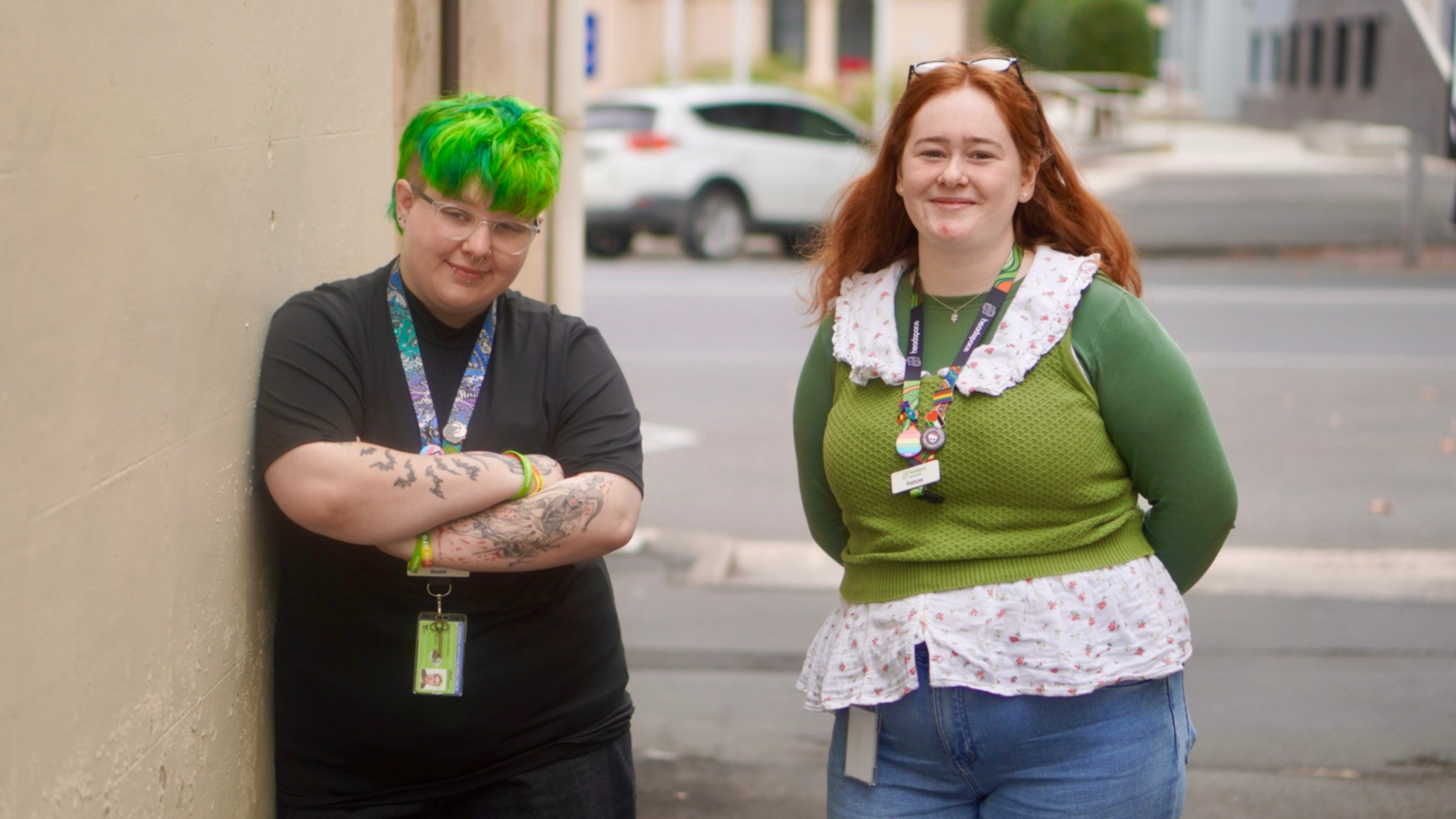
The group is being spearheaded by Youth Peer Workers Nashi Oakley-Sexton and Frances Roberts, who are using their lived experience to create a safe and supportive space.
Disability isn’t always visible, but the impact is real
One of the strongest themes behind the group is the frustration many young people feel when their disability isn’t visible. There’s a common experience of being told — directly or indirectly — that they look “too young” or “too healthy” to be disabled.
Nashi and Frances spoke about how this disbelief can lead to ableism, isolation and people doubting their own experiences. The Sunflower Support Group is about changing that narrative by raising awareness, sharing stories and helping young people feel seen and understood.
As they explain, someone might look strong on the outside while still navigating serious barriers every day.
Why this matters in regional communities
Living with disability can be isolating anywhere, but regional communities bring unique challenges — fewer specialised supports, less awareness of invisible conditions, and limited peer connection.
Through their own experiences and those of friends and peers, Nashi and Frances recognised just how big that gap was for young people in Warrnambool and surrounds. The Sunflower Support Group was created to fill that space: somewhere safe to talk openly about struggles, share resources, and connect without judgement.
Even one person walking away feeling less alone is meaningful change.
Not another label, a community
The group is intentionally inclusive. It’s not about putting people into boxes — it’s about bringing young people together across different abilities, diagnoses and experiences.
Invisible disability can include:
-
Learning differences like dyslexia
-
Mental health conditions
-
Neurological disorders
-
Chronic illnesses
-
Long-term health conditions
The message is simple: just because you can’t see it doesn’t mean it isn’t there. Real advocacy starts with conversation and listening.
“It starts with a conversation. If that’s what we can bring within this group — a conversation — then I think we’re doing the most important advocacy work from the ground up,” Nashi said.
A space for support
While headspace supports hundreds of young people with mental health, physical health and life challenges, disability — particularly invisible disability — isn’t always openly discussed.
As lived-experience Youth Peer Workers connected both to the community and to Brophy, Nashi and Frances are uniquely placed to bridge that gap.
They also noted how reduced online spaces and social disconnection have made in-person community more important than ever for young people.
What happens at Sunflower Support Group?
The program runs as a six-session pilot across 12 weeks. Each fortnight includes:
-
Icebreakers and connection activities
-
Education around a different condition or issue
-
Open discussion time in a supportive environment
-
Relaxed social time with snacks, games and crafts
The first session focuses on epilepsy — a topic close to one facilitator’s lived experience — and future sessions will explore a range of invisible disabilities and barriers.
Sessions are held at the Community & Youth Complex (210 Timor Street, Warrnambool), creating a welcoming space where young people can learn, connect and simply be — without needing to constantly explain themselves.
Grassroots advocacy, real impact
At its heart, the Sunflower Support Group is about belonging. It recognises that invisible disabilities are common, valid, and deserving of understanding, especially among young people still figuring out who they are.
By creating a space for honest conversations, Nashi and Frances are helping build a stronger, more inclusive community in Warrnambool: one where young people with invisible disabilities feel seen, supported and less alone.
And sometimes, that conversation is exactly where change begins.
