
Homelessness is not always visible.
While people often associate homelessness with sleeping rough, the reality is much broader and can include couch surfing, overcrowded housing, crisis accommodation or living somewhere that is unsafe because of family violence or other instability.
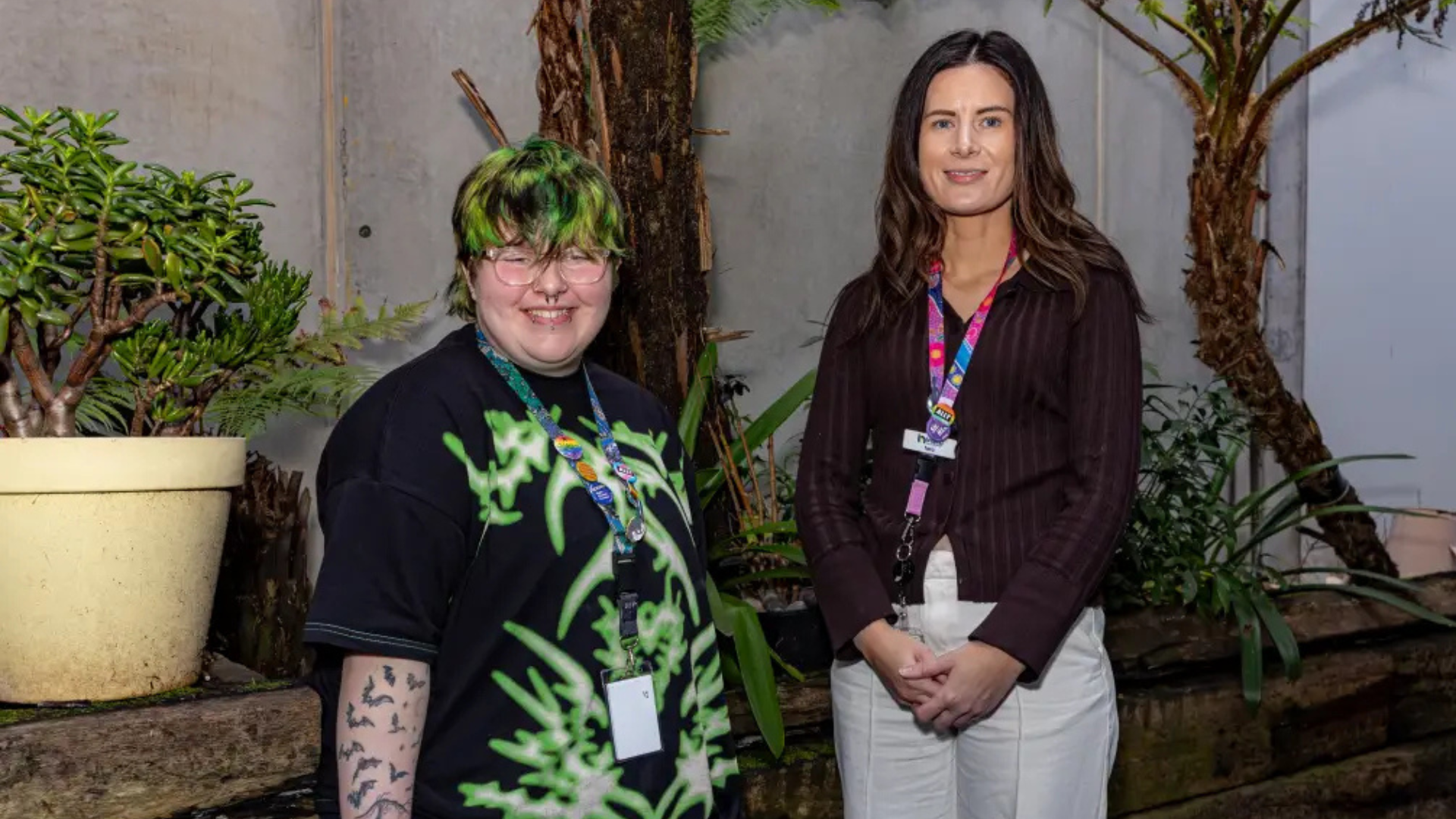
During Homelessness Week, Brophy Community Connections Coordinator Tara Shannahan and Youth Peer Worker Viktor Oakley-Sexton spoke about the growing impact of youth homelessness across south-west Victoria—and why community understanding and action are so important.
Brophy’s Youth Entry Point and youth homelessness programs support young people across Warrnambool, Portland, Hamilton and surrounding communities.
More than 300 new young people approached Brophy’s Youth Entry Point during the 2025–26 financial year, in addition to those already receiving support through homelessness programs.
Tara said homelessness included any situation in which a person’s housing was unsafe or unstable.
“People might be couch surfing, living in very overcrowded accommodation or staying somewhere where there is a risk of family violence,” she said.
“We also see young people moving through transitional or crisis accommodation for short periods without knowing where they will be staying next.”
While Brophy can help young people build employment skills, increase their income, prepare rental applications and navigate the housing system, the region’s severe shortage of available properties remains a significant barrier.
“We don’t have houses sitting on standby. We unfortunately can’t materialise a house,” Tara said.
“Young people who do not have a rental history, or who are new to employment, can find it incredibly difficult to get their foot in the door of the private rental market.”
Brophy can provide practical support including assistance with bond, rent in advance and property maintenance. Tara said young renters referred through Brophy were not navigating their tenancy alone and continued to have the backing of the service.
She encouraged local landlords and real estate agents to consider giving a young person an opportunity.
“That first chance can help someone establish a rental history and set them up for long-term housing stability,” she said.
Viktor said homelessness could occur extremely quickly, particularly following family breakdown, financial hardship, substance use within a household or the loss of a safe home environment.
“You can remove one source of stability, such as a home, and everything can come into question within hours,” he said.
“For a young person who is trying to attend school, maintain a part-time job and manage everything else happening in their life, the snowball effect can be enormous.”
Viktor said homelessness did not discriminate and could affect people from any background.
Increasing rent, fuel prices and everyday living costs could quickly place a household under pressure, while many young people experiencing “invisible homelessness” might not recognise that their situation met the definition of homelessness.
“A situation can take hours to fall into and years to climb out of, particularly when someone does not have family, friends or community support around them,” he said.
Stigma also continued to stop some people from asking for help.
Tara said Brophy wanted young people to know they did not need to feel ashamed and would be supported when they reached out.
“We want to open up the conversation and let people know they are not alone,” she said.
Viktor said young people across regional communities continued to demonstrate enormous courage and resilience.
“When one young person reaches out, it can give their friends the confidence to do the same,” he said.
“Change really does start with a conversation.”
That community spirit was evident during Brophy’s Homelessness Week youth event, which brought young people together for an afternoon of activities, performances and connection.
More than 17 local businesses and organisations donated prizes or supported the event.
Tara and Viktor thanked everyone who contributed and encouraged any young person experiencing housing insecurity to seek support.
“We really want people going through a difficult time to know that they are not alone,” Tara said.
“Our communities care about you, and we want to help things get better.”